Our journey...
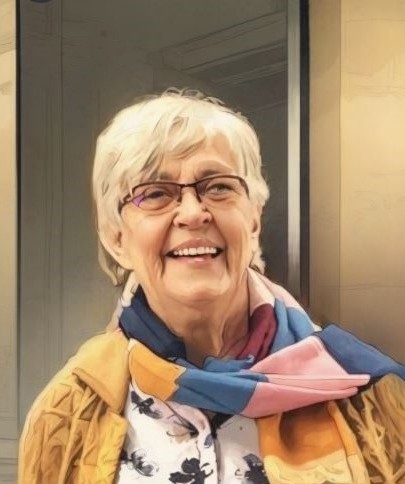
PALM Foundation was established in 1985 by Ms. Natascha Sennema, a Dutch community development volunteer committed to improving the lives of marginalized rural communities in Sri Lanka. Initially focused on addressing basic needs such as housing, education, healthcare, and water supply, the organization gradually evolved into a community-centered development organization.
During the 1990s, PALM Foundation adopted a holistic development approach that emphasized social mobilization, community empowerment, sustainable livelihoods, and local capacity development. Long-term partnerships with international development agencies further strengthened the organization's growth and impact.Following the 2004 tsunami, PALM Foundation expanded its operations to the Eastern Province, supporting recovery, reconstruction, and long-term development initiatives. Today, PALM Foundation continues to work with vulnerable communities across Sri Lanka to promote sustainable development, social inclusion, environmental sustainability, and community resilience.
Our History....
PALM Foundation was established in 1985 by Ms. Natascha Sennema, a Dutch community development volunteer committed to supporting marginalized rural communities in Sri Lanka. The organization received formal NGO registration in 1989 and initially focused on addressing basic needs through housing, education, healthcare, and water supply initiatives, supported by donors from the Netherlands and Stichting PALM.
During the early 1990s, PALM Foundation shifted from a welfare-oriented approach to a sustainable community development model that emphasized local capacity building and community participation. The appointment of Mr. Saman Wijebandara as Technical Coordinator in 1991 strengthened community-based water supply and infrastructure development initiatives. In 1994, Mr. Sunil Dombepola joined as Social Mobilization Coordinator and played a key role in promoting community organization, collective savings, and participatory decision-making processes. These developments laid the foundation for PALM Foundation's community-centered development approach.
Organic agriculture initiatives were introduced in the mid-1990s, and in 1995 the organization successfully implemented its first five-year strategic plan. This milestone led to long-term partnerships with international development agencies, including Novib, Helvetas, and Norad, contributing significantly to the organization's growth and institutional development. In 2000, Mr. Saman Wijebandara succeeded founder Ms. Natascha Sennema as the head of the organization, marking a new phase of local leadership.
Following the 2004 Indian Ocean tsunami, PALM Foundation expanded its work to the Eastern Province through reconstruction and recovery programmes implemented in partnership with Mercy Corps USA. The success of these interventions led to a long-term presence in the region and the establishment of PALM Foundation Development Service Guaranteed Ltd as an independent organization.
Today, PALM Foundation works across Sri Lanka to promote community empowerment, child and women’s rights protection, environmental sustainability, livelihoods development, community infrastructure improvement, and social cohesion through participatory and people-centered development approaches.